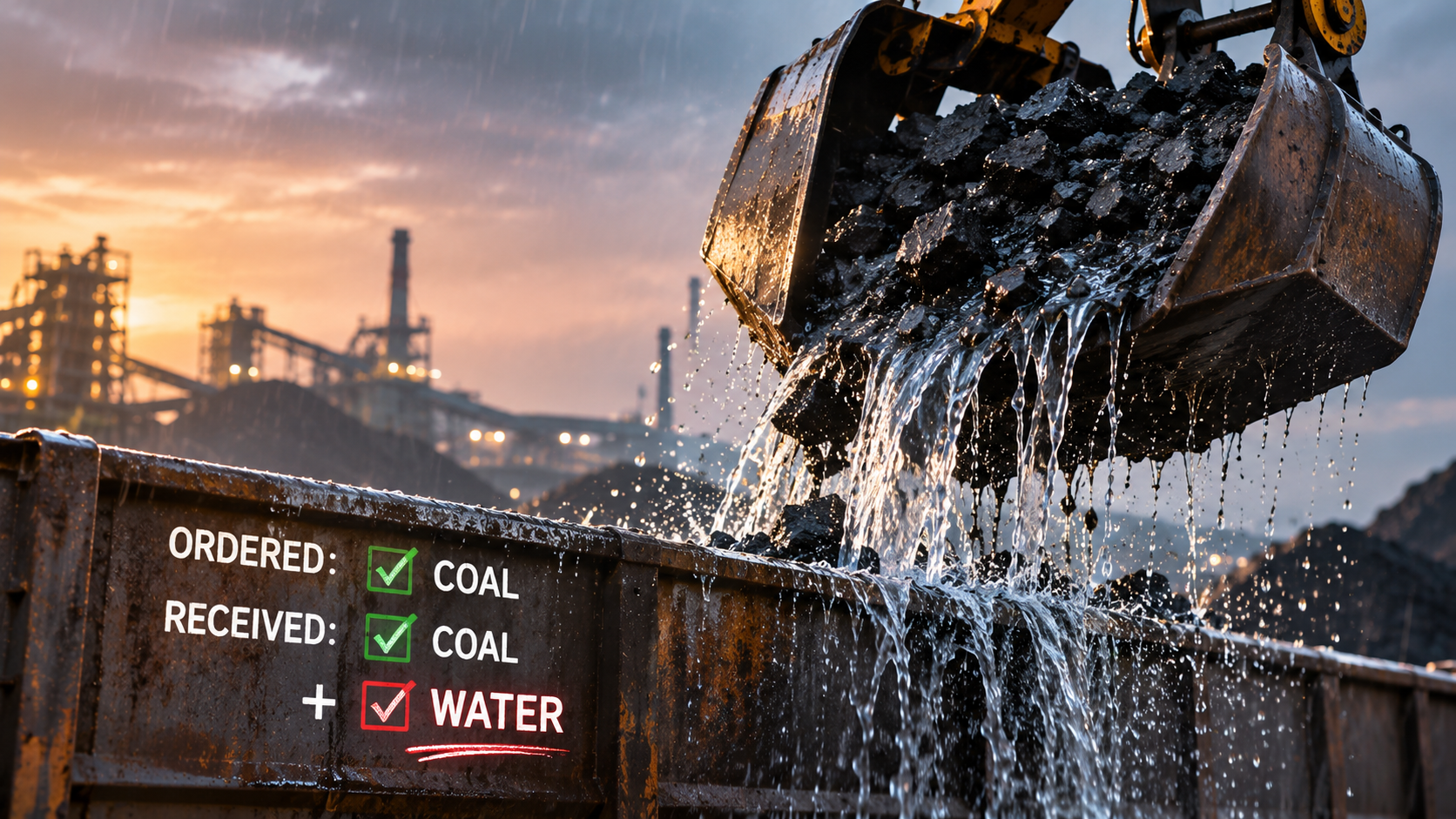
The Material Nobody Ordered : Water

Why steel companies sometimes pay to transport, handle and heat thousands of tonnes of moisture they never wanted Imagine ordering 50,000 tonnes of coal. The supplier delivers the cargo. The vessel arrives. The paperwork is complete. The material is unloaded, transported and prepared for use. But hidden inside that shipment is something the steel plant

The Material Nobody Ordered : Water Read More »

The Smog Economy : When Air Pollution Changes Industrial Decisions

The hidden relationship between winter air quality, manufacturing and raw – material supply Every November, a familiar scene returns to parts of northern India. The skyline disappears behind a grey haze. Air – quality readings become headline news. Schools face restrictions, construction activity comes under scrutiny, and governments introduce measures to control pollution. But beyond

The Smog Economy : When Air Pollution Changes Industrial Decisions Read More »

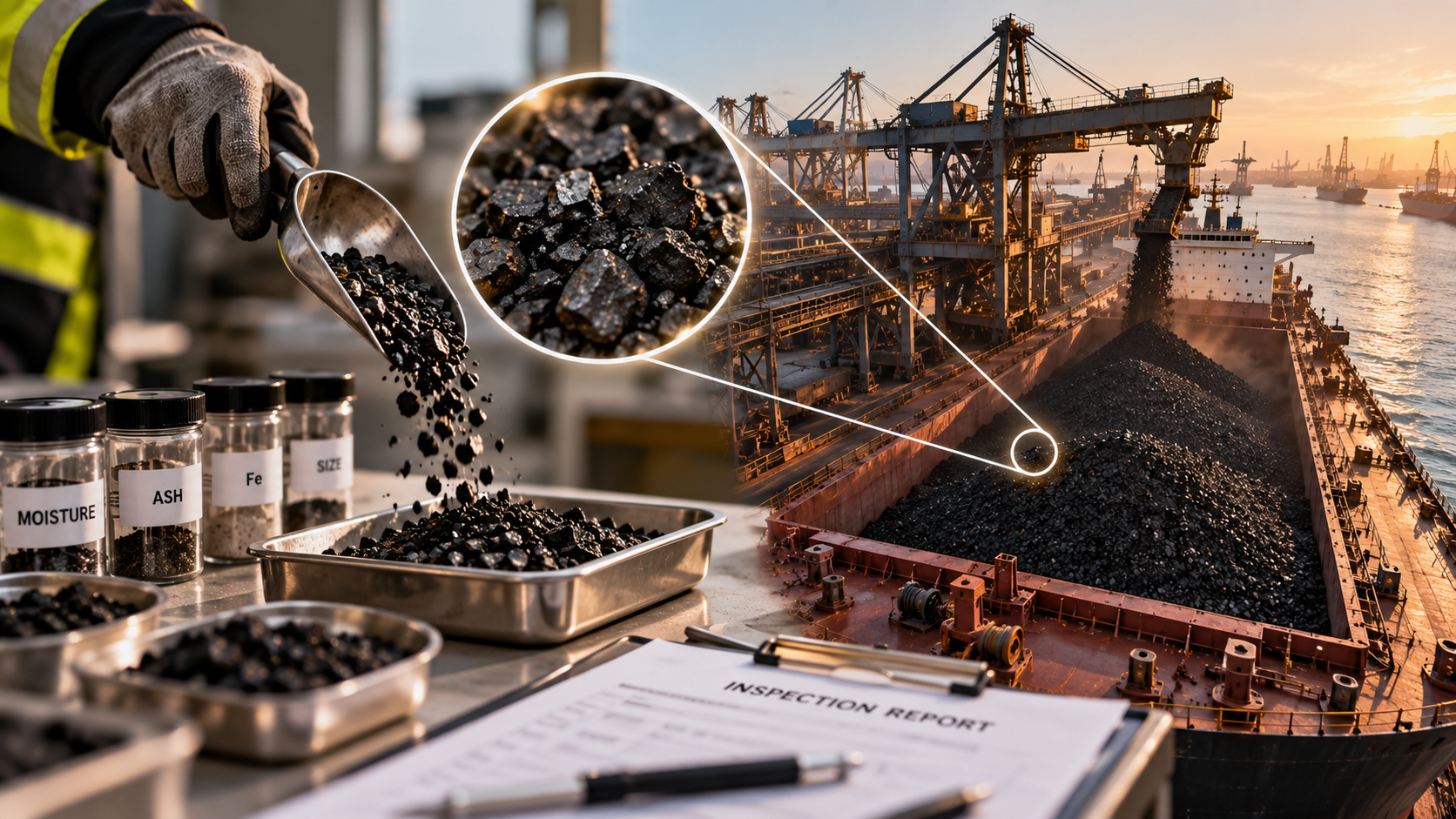
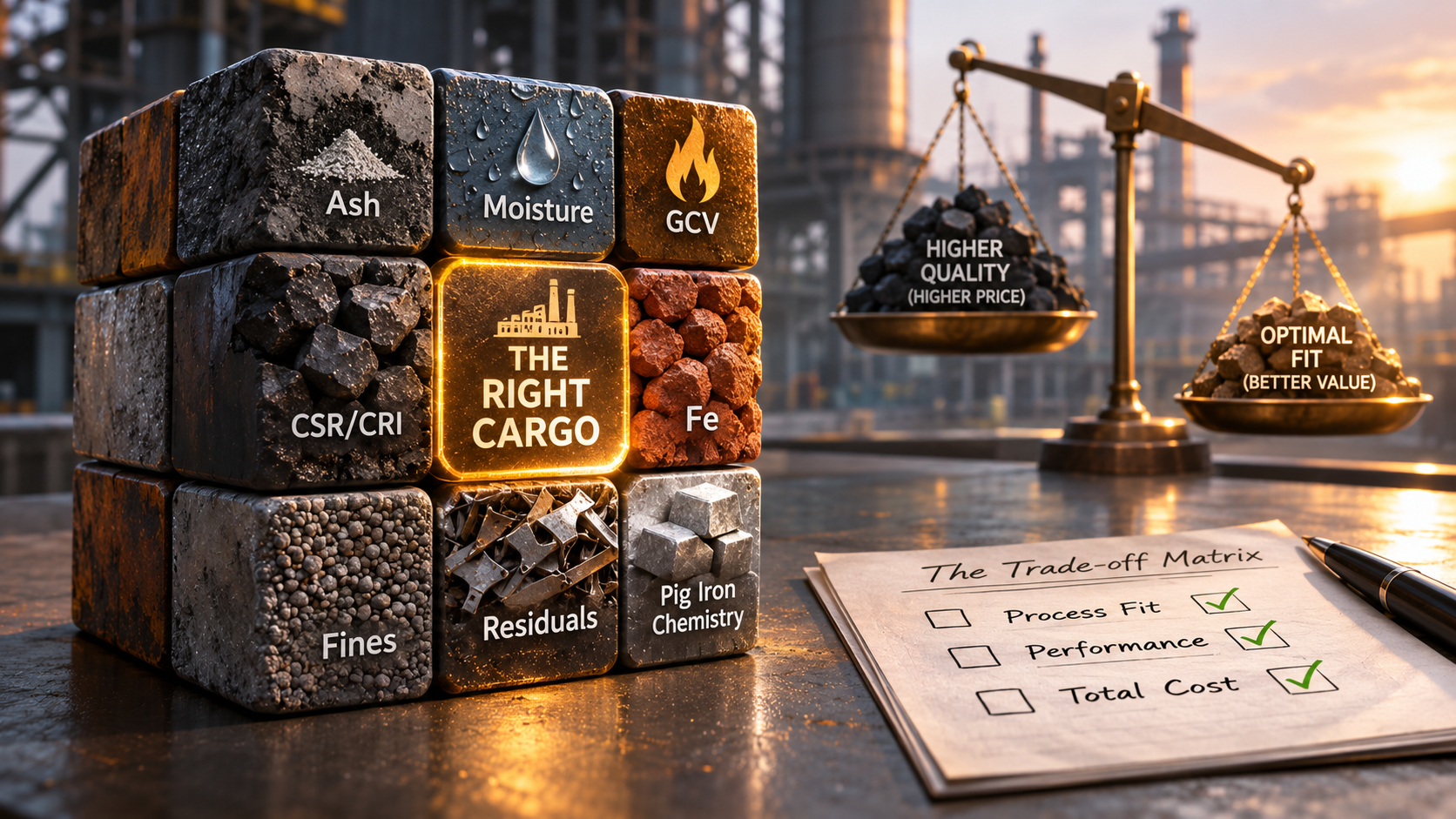
The Perfect Cargo Doesn’t Exist

Why the smartest raw – material strategy isn’t finding perfection, but knowing which imperfections your process can afford. Imagine two steel plants buying the same raw material. One chooses a premium-grade cargo with excellent specifications, minimal impurities and a higher price. The other chooses a slightly lower-grade cargo, accepts a few manageable imperfections and pays

The Perfect Cargo Doesn’t Exist Read More »

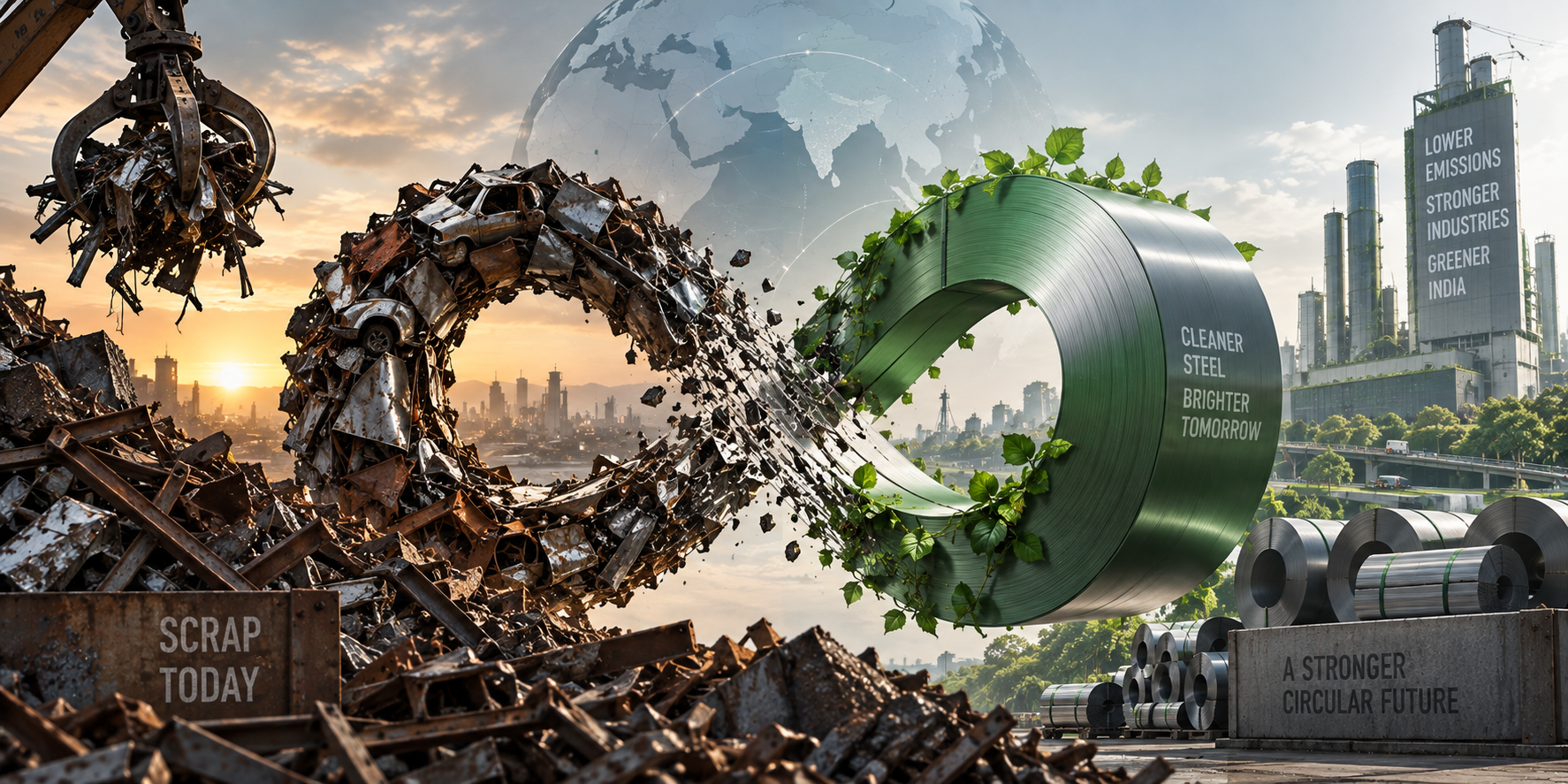
The Scrap Paradox – Everyone Wants Green Steel, But Everyone Wants the Same Scrap

Can the world’s decarbonisation plans create a shortage of their favourite low – carbon raw material ? The steel industry’s future is increasingly being drawn around a simple idea : melt more scrap, use less virgin material, reduce emissions and keep steel circulating through the economy. On paper, it is an almost perfect solution. Steel

The Scrap Paradox – Everyone Wants Green Steel, But Everyone Wants the Same Scrap Read More »

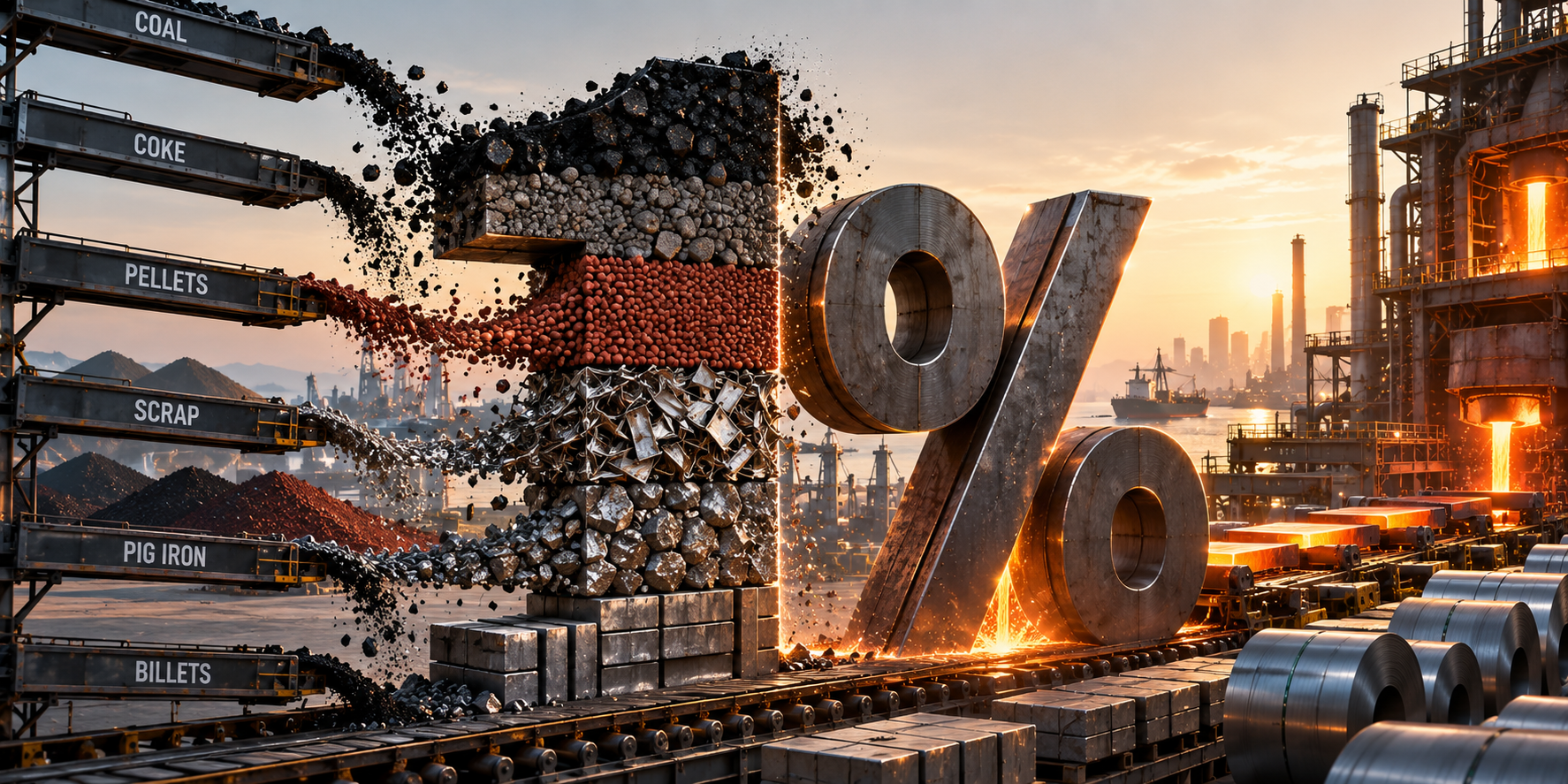
The 1% Problem : Why Tiny Raw-Material Changes Become Crores at Steel-Plant Scale

A mathematical look at what 1% more moisture, ash, fines, yield loss or residual contamination actually means One percent sounds insignificant. If a coal shipment contains 1% more moisture, it barely looks different. If pellet fines increase by one percentage point, the stockpile still looks like pellets. If scrap yield falls from 94% to 93%,

The 1% Problem : Why Tiny Raw-Material Changes Become Crores at Steel-Plant Scale Read More »