
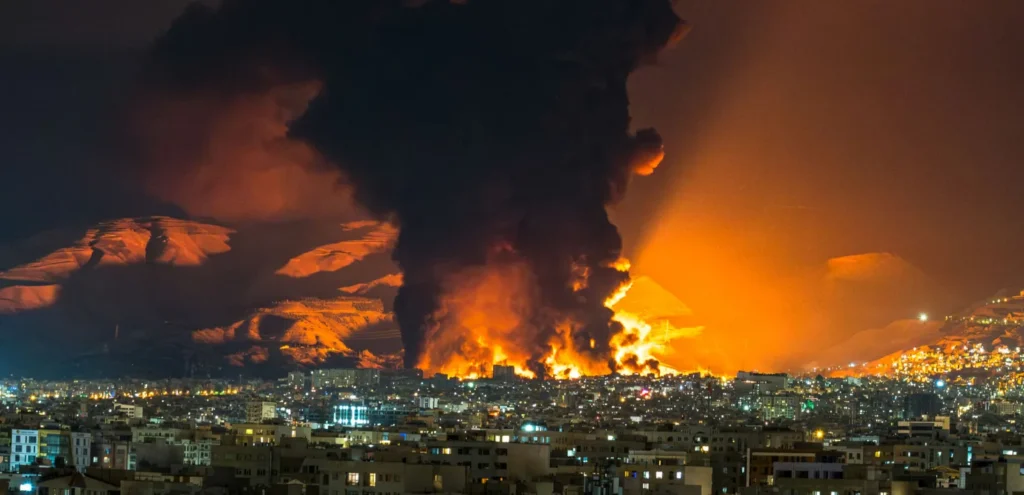
For decades, energy was treated as an economic resource.
Oil powered transport.
Gas fueled industries.
Coal drove electricity and steel production.
But increasingly, energy is becoming something else :
A geopolitical tool.
A bargaining chip.
A strategic weapon.
Countries are no longer competing only through military strength or economic output.
They are competing through control over fuel, exports, supply routes, and energy access.
And when energy becomes a weapon, steel is often one of the first industries to absorb the impact.
Because steel is not just made from iron.
It is made from Energy.
Every blast furnace, coke oven, DRI plant, and EAF converts fuel into metal.
Which means :
When energy shifts, steel shifts and when energy is restricted, steel pays.
Steel Is One of the Most Energy – Dependent Industries in the World
Producing steel requires enormous energy.
Typical energy consumption :
Blast Furnace + BOF route :
- 20 – 30 GJ per tonne of steel
DRI + EAF route :
- 10 – 18 GJ per tonne
EAF :
- 350–500 kWh per tonne
Energy contributes approximately:
- 20 – 40% of total steel production cost
In some facilities :
- Even higher
This means fluctuations in fuel availability or pricing are not peripheral events, they become operational risks.
What Does “Energy as a Weapon” Actually Mean?
It refers to situations where :
Countries intentionally or indirectly use energy supply to influence :
- Trade
- Diplomacy
- Industry
- Geopolitical outcomes
Examples include :
- Export restrictions
- Sanctions
- Gas supply cuts
- Fuel price manipulation
- Shipping route disruption
The result :
Industries dependent on energy experience immediate pressure.
Steel is one of them.
1. Gas Politics Can Reshape Steel Production Routes
Natural gas is critical for :
- DRI production
- Sponge iron manufacturing
- Reduction processes
Gas – based DRI plants consume approximately :
- 2.5 – 3.0 Gcal gas per tonne of DRI
What Happens When Gas Supply Tightens?
Immediate effects :
- Gas prices rise
- Industrial allocation reduces
- Production costs increase
Example Impact
If gas cost rises by :
40 – 50%
DRI production costs may increase by :
₹2,000 – ₹4,000 per tonne
2. Coal Becomes Strategic During Energy Instability
Coal remains critical for :
- Power generation
- Coke production
- Blast furnace operations
India imports :
- 85 – 90% of coking coal requirements
This creates vulnerability.
What Happens During Geopolitical Tension?
Countries may :
- Prioritize domestic supply
- Restrict exports
- Redirect shipments
Immediate Consequences :
- Reduced availability
- Longer lead times
- Higher landed costs
Freight increases :
- 20 – 60% during major uncertainty periods
Coal cost rises even without supply loss.
3. Metallurgical Coke Moves from Commodity to Critical Resource
Coke performs multiple functions :
- Fuel source
- Reducing agent
- Structural support in blast furnaces
Consumption :
- Approximately 300 – 450 kg coke per tonne of hot metal
When coal or gas becomes unstable :
Demand for coke rises.
Observed Market Pattern
Energy disruption
↓
Higher blast furnace reliance
↓
Coke demand surge
↓
Price increase
Coke prices can rise : 15 – 30% within weeks
4. Shipping Routes Become Vulnerable
Energy conflict rarely affects only production.
It affects movement.
Shipping reacts rapidly to :
- Conflict zones
- Sanctions
- Route restrictions
Result
Insurance premiums increase :
- $3 – $10 per tonne additional cost
Bulk freight may increase :
- 25 – 60%
Even if material remains available, transport becomes expensive.
5. Energy Inflation Creates Hidden Steel Inflation
Rising energy prices influence :
- Mining costs
- Transportation
- Processing
- Port operations
What Starts as Oil Inflation Becomes Steel Inflation
Example “
If crude oil rises :
+$10 per barrel
Potential consequences :
- Higher freight cost
- Higher mining cost
- Higher raw material cost
Ultimately :
Steel production cost increases.
6. Trade Barriers Amplify Energy Disruption
Energy conflicts often trigger :
- Sanctions
- Export controls
- Tariffs
These create :
- Sourcing uncertainty
- Payment complications
- Inventory pressure
The result :
Procurement becomes strategic rather than transactional.
7. Inventory Behavior Changes During Energy Tension
During uncertainty :
Plants shift inventory strategy.
Instead of :
30 – 45 day inventory
They move toward :
60 – 90+ day coverage
This creates :
- Buying pressure
- Freight pressure
- Artificial shortages
Fear changes markets before shortages do.
The Hidden Reality : Steel Reacts Before Headlines
Most people see :
War = Price increase
The industry experiences :
Geopolitical tension
↓
Procurement shifts
↓
Freight rises
↓
Fuel cost increases
↓
Raw material pricing changes
↓
Production cost rises
↓
Steel prices adjust
Weeks earlier.
The New Competitive Advantage Is Energy Resilience
Leading steel producers increasingly focus on :
- diversified sourcing
- Flexible burden mix
- Inventory planning
- Fuel hedging
- Multi-origin procurement
Because resilience matters as much as price.
Why 2026 and Beyond May Look Different
The future may bring :
- More fragmented trade
- Increased sanctions
- Energy nationalism
- Regional supply protection
This means :
Energy volatility may become structural,not temporary.
Steel producers will need to adapt continuously.
Energy Is No Longer Just an Input
For decades :
Energy was considered a cost.
Increasingly :
Energy is becoming a Risk variable.
Steel companies traditionally competed through :
- Scale
- Efficiency
- Procurement
The next competitive advantage may come from :
how well they navigate energy uncertainty.
Because when energy becomes leverage,
raw materials stop behaving like commodities.
They become strategic assets.