What a Global Conflict Does to Steel,  Before It Hits the Headlines

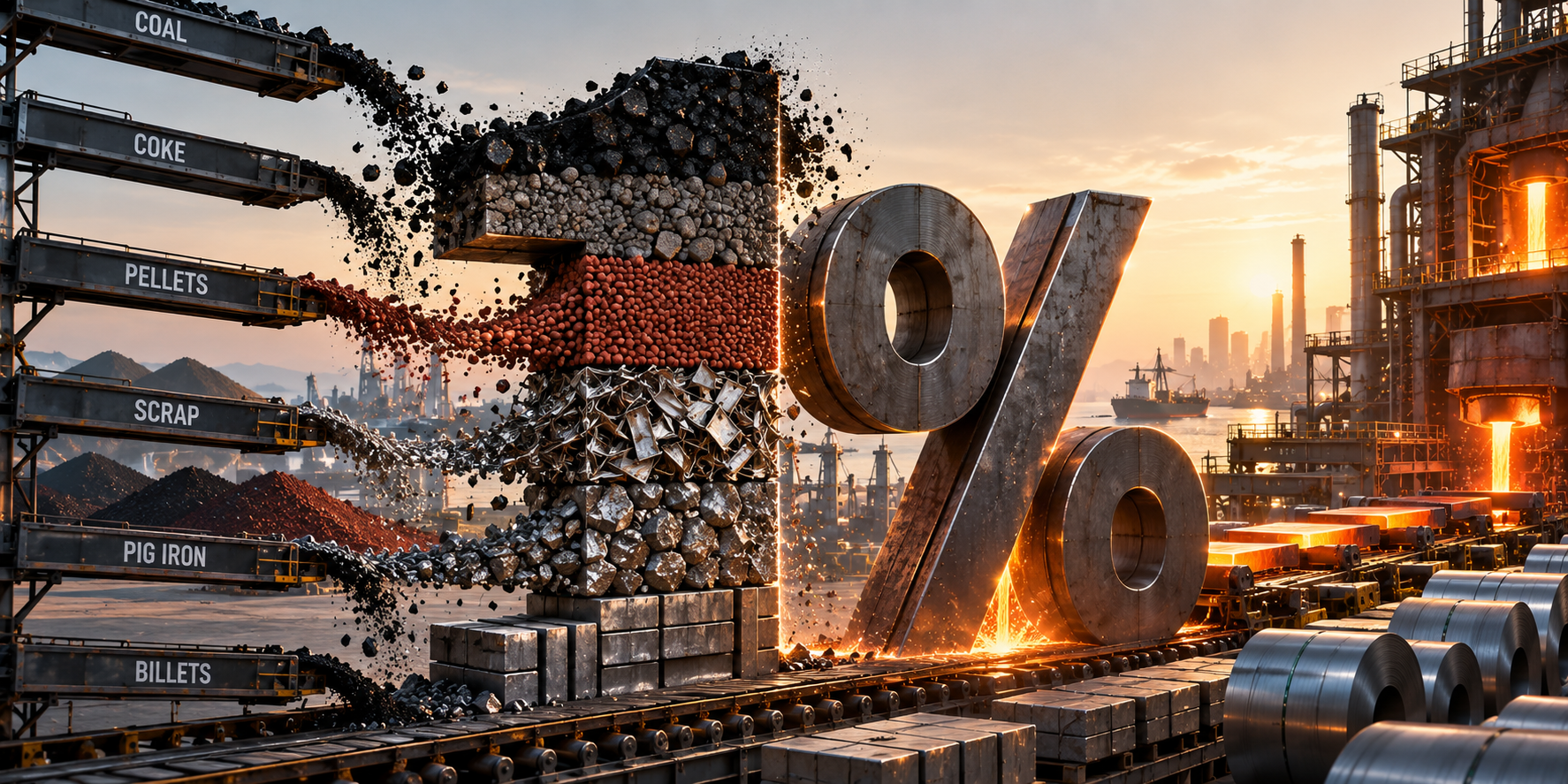
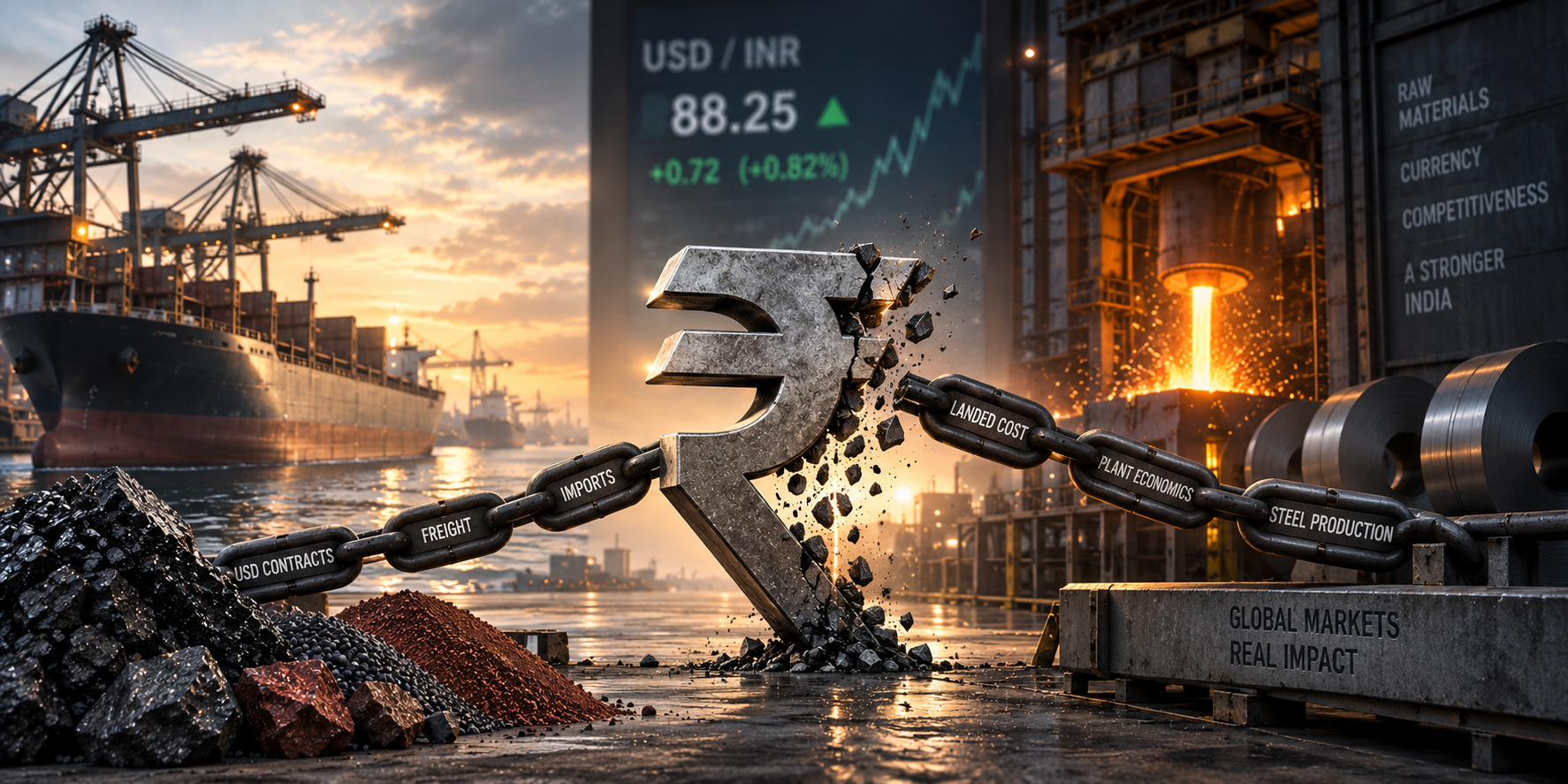
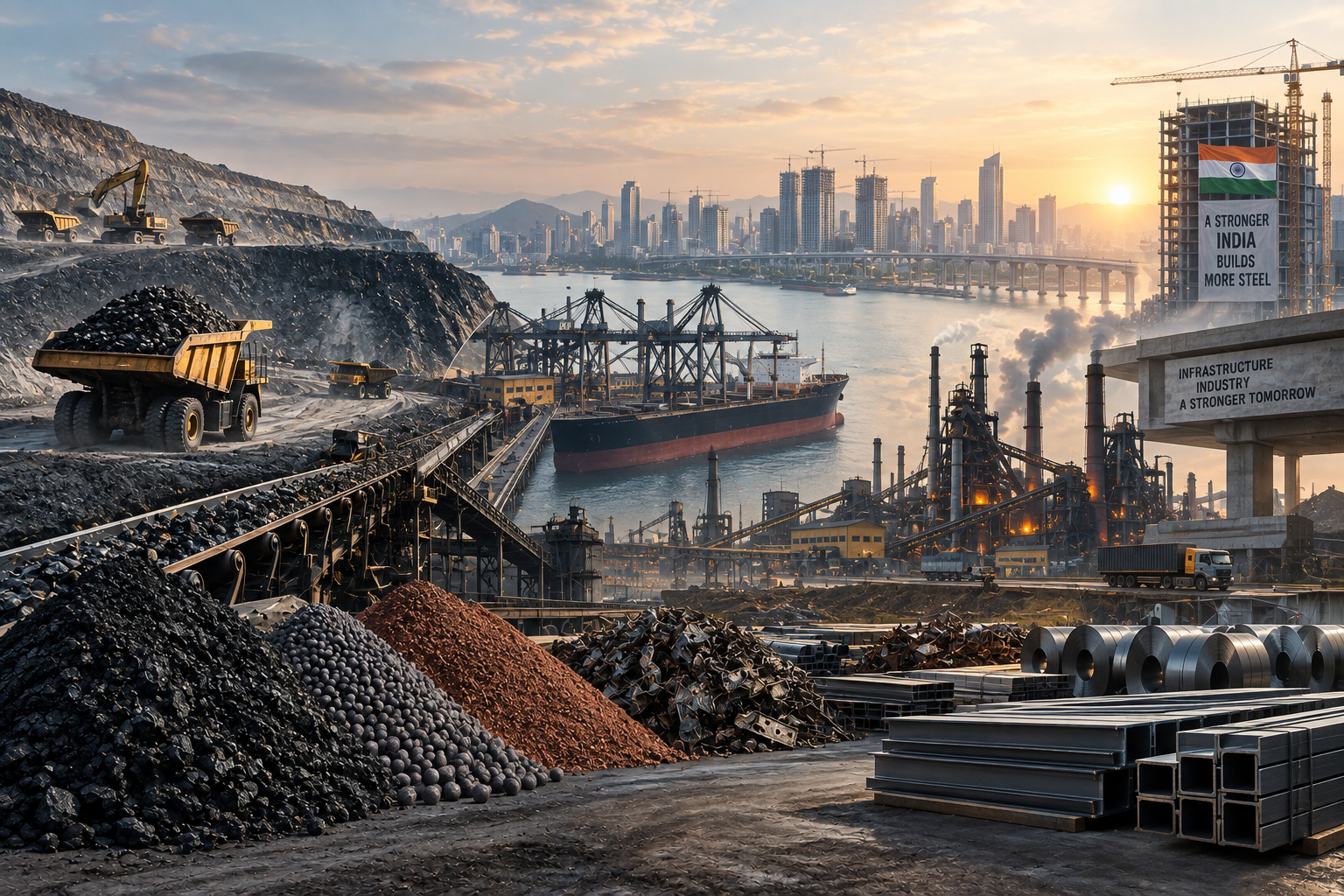
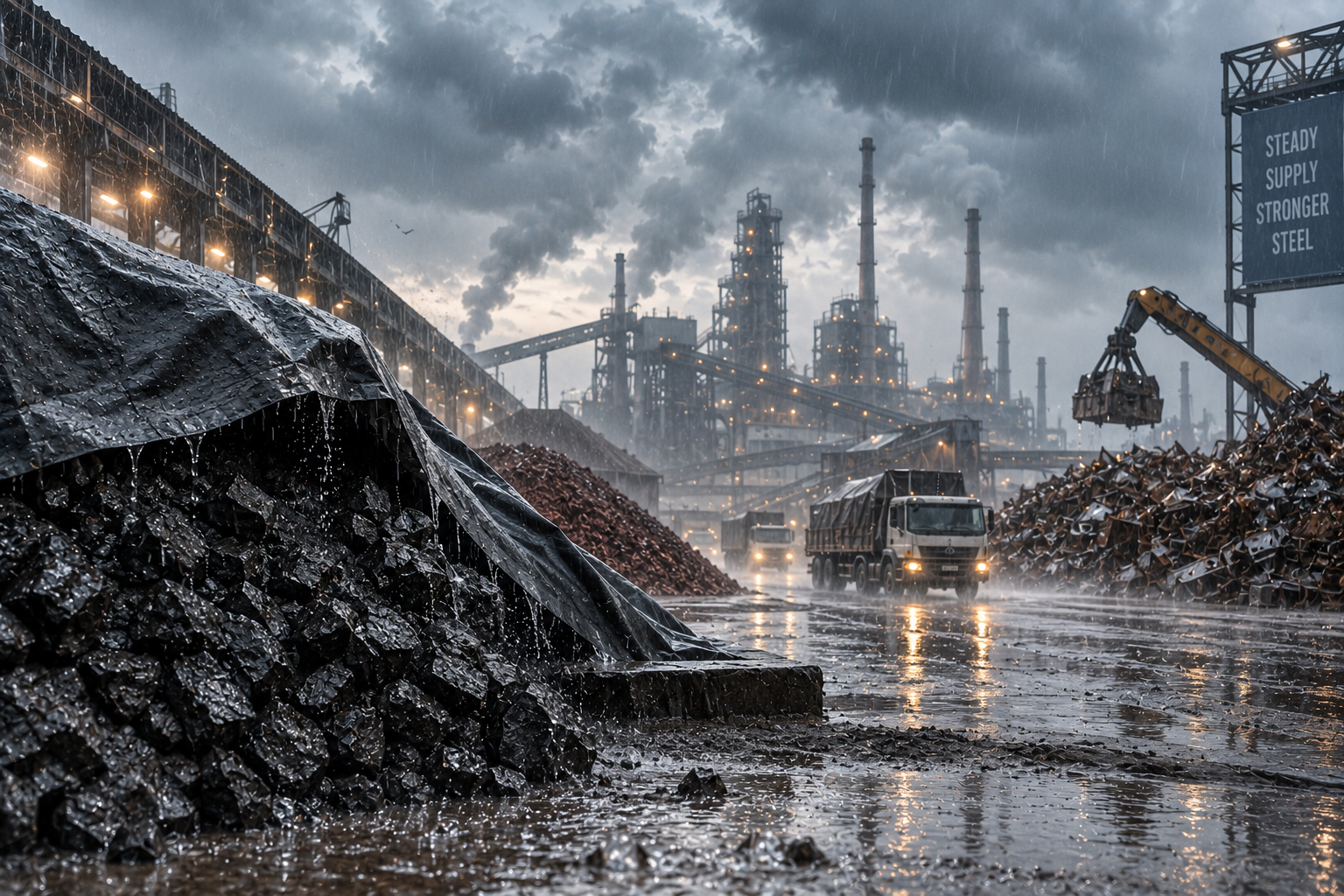
How wars disrupt coal routes, scrap flows, freight rates, and steel pricing weeks before the news catches up Not through headlines  but through delayed vessels, rising freight quotes, inconsistent scrap quality, and sudden price corrections. Steel is one of the earliest industries to react to geopolitical tension because it depends on globally interconnected raw material […]

What a Global Conflict Does to Steel,  Before It Hits the Headlines Read More »

The Scrap Crisis No One Is Talking About

On the surface, the global steel industry is moving in the right direction. More recycling.Lower emissions.Greater reliance on Electric Arc Furnaces (EAFs). Scrap, once considered secondary, is now positioned as the future of green steelmaking. But beneath this transition lies a growing, uncomfortable reality : Not all scrap is equal.And high-quality scrap is becoming harder

The Scrap Crisis No One Is Talking About Read More »

When High GCV Becomes a Liability – Real scenarios where “Better” coal destabilizes furnaces.

In most procurement meetings, coal quality discussions often begin and end with one number: GCV – Gross Calorific Value. Higher GCV usually means :  At least on paper. In practice, however, many steel plants, sponge iron units, cement kilns, and industrial furnaces have learned a difficult lesson: higher GCV does not automatically mean better furnace

When High GCV Becomes a Liability – Real scenarios where “Better” coal destabilizes furnaces. Read More »

The Hidden Math of Pellet Size Distribution – How small variations affect gas flow and yield

In ironmaking, iron ore pellets are often treated as a standardized input. They arrive in uniform spherical shapes.They are graded within a specific size range.They are assumed to behave predictably inside the furnace. But beneath this apparent uniformity lies a subtle reality: pellet size distribution quietly influences the entire efficiency of ironmaking. Small variations in

The Hidden Math of Pellet Size Distribution – How small variations affect gas flow and yield Read More »

Coke Is a Structural Material, Not Just Fuel – Reframing Coke’s role in modern Ironmaking

In discussions about ironmaking, coke is often reduced to a simple definition : Fuel. But inside a blast furnace, coke does something far more critical than just burn. It holds the entire process together. Coke is not merely an energy source, it is a structural material, a gas flow regulator, and a reaction platform that

Coke Is a Structural Material, Not Just Fuel – Reframing Coke’s role in modern Ironmaking Read More »

Sinter’s Real Value Is Not Iron, It’s Flexibility – Why do sinter plants still matter despite emissions?

In modern ironmaking discussions, sinter often finds itself under scrutiny. Because of this, sinter plants are sometimes viewed as outdated or environmentally burdensome. Yet despite these concerns, the majority of the world’s blast furnaces still rely heavily on sinter. In fact, sinter continues to supply over 60 – 70% of the iron-bearing burden in many

Sinter’s Real Value Is Not Iron, It’s Flexibility – Why do sinter plants still matter despite emissions? Read More »

Why Two Billets of the Same Grade Roll Differently – The truth about internal structure

At first glance, two billets stamped with the same grade look identical. Same dimensions.Same heat number range.Same chemistry report. Yet once they enter the rolling mill, their behavior can diverge dramatically. One rolls smoothly, elongates predictably, maintains surface integrity, and delivers stable mechanical properties. The other may :  If the grade is the same, what

Why Two Billets of the Same Grade Roll Differently – The truth about internal structure Read More »